

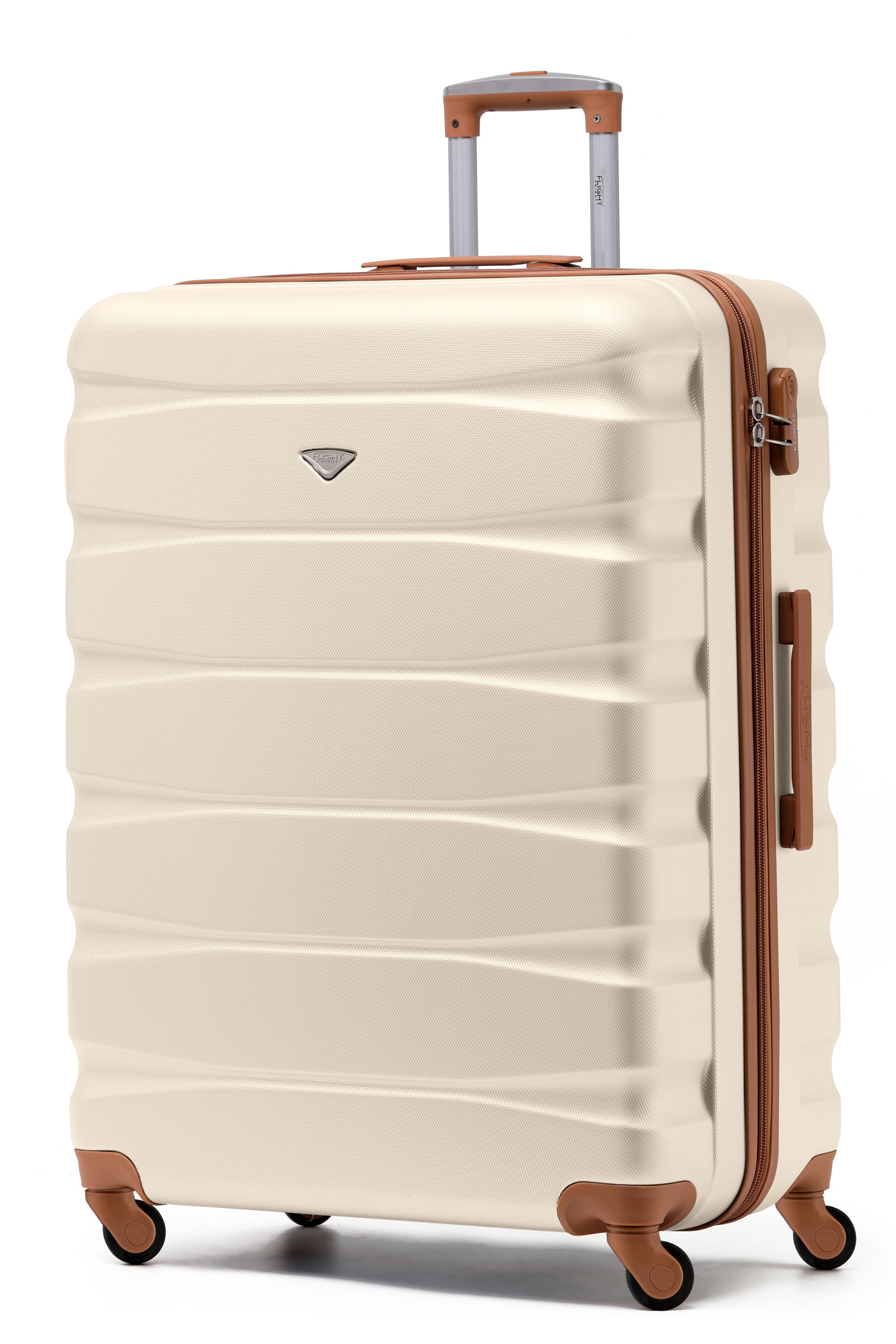


Traveling can be exciting, but packing can be a challenge. Understanding baggage weight restrictions is crucial for a smooth journey.
The 22kg suitcase weight limit is a common rule for checked baggage. It helps travelers avoid extra fees and hassles at the airport.
Airline baggage policies vary, so it's important to check with your airline before you pack. Knowing these policies can save you time and money.
Packing efficiently is key to staying within the suitcase weight limit. Simple suitcase packing tips can make a big difference in your travel experience.
This guide will help you navigate the 22kg suitcase weight limit. You'll learn how to pack smart and travel with ease.
Understanding the 22kg Suitcase Weight Limit
The 22kg suitcase weight limit is a standard among many airlines. It was created to balance passenger convenience and aircraft safety.
This weight limit applies to checked baggage, which is stored in the plane's hold. It is different from the carry-on weight limit, which is usually lower.
Before flying, familiarize yourself with the specific baggage weight restrictions of your airline. These can differ based on the type of ticket or the region of travel.
Remember, the suitcase itself contributes to your overall weight. Lightweight luggage can help you pack more efficiently and avoid surpassing the limit.
Here are the key aspects to consider when dealing with a 22kg suitcase weight limit:
-
Check the airline's policy in advance.
-
Weigh your suitcase before leaving home.
-
Consider the weight of the suitcase itself.
Overweight bags can result in hefty fees. Usually, airlines charge on a per-kilogram basis for excess weight.
Packing smartly and understanding these limits will ensure a stress-free check-in process. It's best to invest in a reliable luggage scale to stay informed.
Airline Baggage Policies: What You Need to Know
Understanding airline baggage policies can save you time and money. Each airline sets its own rules, so it's crucial to check these before you travel.
Many airlines have tiered baggage weight restrictions. Often, higher-tier tickets or loyalty programs offer extra allowances. Basic economy, however, might have stricter limits.
Policies can vary not just by airline, but also by route. International flights may have different constraints compared to domestic ones. Always verify details for your specific itinerary.
Be aware of additional costs associated with exceeding the weight limit. They can accumulate quickly, especially on long haul flights. Some airlines let you purchase extra luggage allowance at a discounted rate if done in advance.
When planning your trip, keep these key points in mind:
-
Verify the airline's baggage policy before purchasing tickets.
-
Consider pre-purchasing additional baggage if needed.
-
Take note of any region-specific restrictions.
Remember, the information you find online might differ from actual airline practices. Always check for the most current policies directly from the airline's official site or app.
Choosing the right baggage option and following airline policies will facilitate a smoother journey.
Baggage Weight Restrictions by Major Airlines
Baggage weight restrictions can vary significantly across different airlines. Major airlines often set strict limits to ensure efficient service and safety.
For instance, some popular airlines might allow checked bags up to 23kg, while others might cap it at 20kg. It is crucial to always verify this information directly with the carrier.
Airlines like British Airways or Lufthansa may include a generous allowance in their ticket prices. Meanwhile, budget airlines often charge extra for checked baggage. This is something travelers should consider when budgeting for their trip.
Understanding these restrictions can help avoid unexpected fees and delays. Some travelers might choose to consolidate baggage for cost efficiency, especially when traveling in groups.
Consider these sample baggage policies from major airlines:
-
British Airways: Checked bag up to 23kg for most routes.
-
Lufthansa: Allows 23kg as standard in economy class.
-
Ryanair: Typically charges for any checked baggage, starting at 20kg.
-
Emirates: Provides a generous 30kg allowance in economy for some routes.
Keep in mind, these policies might change based on class and destination. Always cross-check with the airline before your departure.
Being informed and planning based on these policies can save stress at the check-in counter.
Carry-On Weight Limit vs. Checked Baggage
Understanding the difference between carry-on weight limits and checked baggage is essential for seamless travel. While most airlines allow a higher weight limit for checked bags, carry-ons usually have stricter restrictions.
Carry-on bags typically have a weight limit of 7-10kg. This is significantly less than the checked baggage limit of 20-23kg. These smaller limits exist to ensure safety and comfort onboard.
Selecting the right items for your carry-on is key. Essentials like electronics, medications, and documents should always be in your carry-on. Non-essential items can go in checked baggage, freeing up weight.
Considerations when packing carry-ons vs. checked luggage:
-
Carry-on essentials: Documents, electronics, medications.
-
Checked bags: Clothes, toiletries, larger items.
-
Weight considerations: Keep under 10kg for carry-on to avoid hassles.
-
Accessibility: Ensure important items are easy to reach in carry-on.
Awareness of these distinctions helps prevent inconvenience during boarding. Be proactive by weighing your bags before heading to the airport.
How to Weigh and Measure Your Suitcase
Accurate weighing and measuring of your suitcase are crucial to avoid extra fees at the airport. Start by investing in a reliable digital luggage scale. This small tool provides precise readings and eliminates guesswork.
Before you pack your suitcase, weigh it while empty. This gives you a baseline for how much you can pack without exceeding the limit. Knowing the suitcase's empty weight is crucial for effective packing.
Once packed, weigh your suitcase again to confirm it meets the airline's weight restrictions. Always check the dimensions as well, especially for carry-ons, as size regulations are strictly enforced by airlines.
Steps to measure and weigh your suitcase:
-
Use a digital luggage scale for accuracy.
-
Weigh the suitcase both empty and full.
-
Measure dimensions to ensure they fit airline guidelines.
Suitcase Packing Tips to Stay Within the Limit
Packing efficiently can help you avoid overweight fees and make your trip more comfortable. Begin by making a list of essential items. This helps you focus on what you truly need.
Opt for versatile clothing that can be layered or mixed and matched. This approach reduces the number of items you need to carry. Choose neutral colors and lightweight fabrics to enhance versatility.
Rolling clothes instead of folding them can save space and minimize wrinkles. Utilize packing cubes to organize and compress your clothing, making it easier to access items without unpacking everything.
Consider wearing your heaviest shoes and coats while traveling. This tactic leaves more room in your suitcase for other items. Remember, every kilogram saved counts towards the 22kg suitcase weight limit.
Two key tactics include:
-
Using travel-sized toiletries to reduce the bulk.
-
Packing electronics and valuables in your carry-on to save on suitcase weight.
Finally, remove non-essentials. Evaluate every item and decide if it’s worth the space it occupies. Leave behind bulky items you can purchase at your destination.
When all is packed, review your suitcase and weigh it again. Make sure it’s within the weight limit to avoid surprises at the check-in counter.
What Happens If You Exceed the Suitcase Weight Limit?
Exceeding the 22kg suitcase weight limit can lead to costly fees. Airlines typically charge per kilogram over the allowed limit. These fees can quickly add up, impacting your travel budget.
When faced with an overweight suitcase, you may be asked to repack at the airport. Transferring items to your carry-on or leaving items behind are common solutions. It's best to be prepared in advance.
Some airlines offer the option to pre-purchase additional baggage weight at a discounted rate. This can be a more economical choice compared to paying excess fees at the airport. Consider these options if you're unsure about your suitcase's weight.
Penalties for overweight baggage can vary:
-
Charges are often applied per extra kilogram.
-
In some cases, flat fees for overweight luggage may apply.
-
Certain airlines may not allow excess weight at all, leading to more severe packing adjustments.
Frequently Asked Questions About Baggage Weight
Travelers often have questions about baggage weight and its implications. Knowing the rules can prevent unnecessary stress and fees.
One common question is whether clothing worn on the flight affects baggage limits. Wearing heavier items like coats or boots can save space and weight in your suitcase.
Another frequent inquiry is about traveling with sports equipment or musical instruments. These items often have specific rules and may require pre-arrangement with the airline.
Here are some quick answers to frequently asked questions:
-
Can I pool baggage weight if traveling with family? Often, yes.
-
Do all airlines permit extra weight purchase? It varies.
-
Are liquids in baggage included in the weight check? Yes, they are.
Understanding these guidelines can help ensure smooth travel.
Final Thoughts: Travel Smart with a 22kg Suitcase
Traveling with a 22kg suitcase doesn't have to be stressful. Understanding airline baggage policies and weight restrictions is crucial. These insights help avoid extra fees and travel dilemmas.
Packing smartly maximizes your suitcase's potential. Implementing packing tips like rolling clothes or using packing cubes can make a huge difference. This ensures you stay within weight limits while efficiently organizing your belongings.
Always pre-check weight restrictions with your airline. This simple step can save you both time and money. Travel smartly to enjoy your journey with peace of mind, knowing you're prepared for any baggage challenges.

